


By Nila HarrisBOSTON — William Burns is all about setting goals for himself.As an Air Force ROTC cadet, he will be commissioned as a second lieutenant upon graduation from the University of Kentucky next spring.Through his tenure at UK and involvement with the Air Force program, Burns has set goals…

By Nila Harris FALMOUTH — As we see the building next to McDonald’s come down in Falmouth to make way for a Dollar General store, I’m reminded of a different building in that place back in the 1970s…Ercil “Bennie” Vanlandingham was born and raised in Falmouth and attended Falmouth High School…
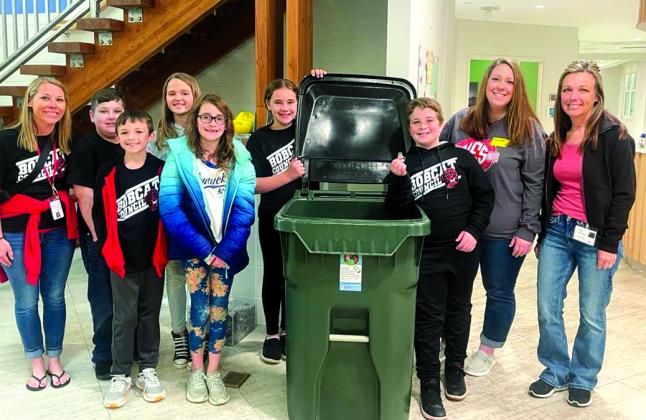
By Nila HarrisBUTLER — On April 19, Northern Elementary School’s Bobcat Council took four years’ worth of pop can tabs to Cincinnati’s Ronald McDonald’s House.The RMH exchanges the pop tabs for money at a local recycling center. There is more aluminum in the tab than the entire can.The money…
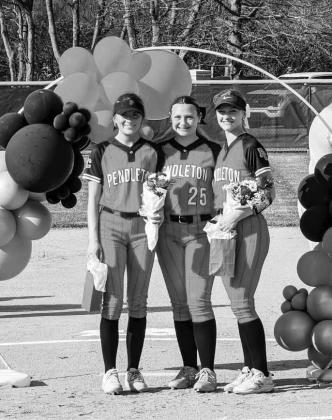
By: Sam McClanahanThe Pendleton County Ladycats improved to 5-7 on the season following a pair of wins that included a lopsided defeat of district rival Nicholas County on Senior Night.The team began its week with a April 16 matchup at Mason County and pulled out a 7-5 win. Pendleton County put…

By: Jennifer ReddenThe PCHS track and field team had a busy and successful week. They competed on April 15 at the St. Henry Invitational and on April 20 at the Mason County Royal Rumble.At the St. Henry Invitational, the boys’ team placed 11th out of 13 teams. The top eight in each event received…

By Carolyn Reid FALMOUTH — Pendleton County Fiscal Court once again reviewed the agreement between the city of Falmouth and the county regarding animal control as it met last Tuesday in caucus.County Animal Control Officer John Bloomfield was in the meeting to answer questions regarding the…

Blanket CreekWe had a guest speaker this morning. Florentin Clipa is a missionary in Romania where he was born into communism. They broke away from that regime in 1989. However, his father was persecuted before that time for delivering bibles throughout the country. When they were loaded onto…
Geneva K. Hutchison, 83, of Falmouth, KY passed away on Wednesday, April 17, 2024, at St. Elizabeth Hospital in Edgewood. She was born in Falmouth on October 7, 1940.Geneva worked at White Castle for 30 years and is preceded in death by her mother Julia M. Courtney; husband Carl Hutchison;…
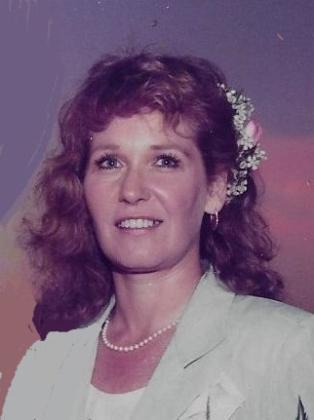
Laura Brayden Townsend, 77, of Crestview Hills, KY, passed away on Sunday, April 14, 2024, at her home, after multiple courageous battles with cancer.Born on November 15, 1946, in Buffalo, New York, she was the only child of the late William Giles and Mary Howell Brayden. Steeped in southern…
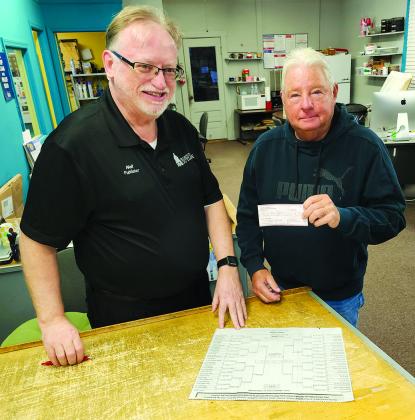
Bracket BeaterThe University of Connecticut's 75-60 victory over Purdue in the NCAA men's basketball national championship last week gave Dave Maier the boost he needed to win the Falmouth Outlook's NCAA Bracket Challenge. Maier was in third place going into the championship game, but Anna Redden…

Creature Feature runs twice monthly featuring some of the dogs available for adoption at the Pendleton County Animal Shelter. Contact them at 859-472-5400 to inquire about adding a fur baby to your family. The shelter is at 1314 Bryan Griffin Road, Butler. You can also check out the Facebook page,…
News Staff
By Nila Harris FALMOUTH — As we see the building next to McDonald’s come down in Falmouth to…
News Staff
By Nila HarrisBUTLER — On April 19, Northern Elementary School’s Bobcat Council took four…
News Staff
By: Sam McClanahanThe Pendleton County Ladycats improved to 5-7 on the season following a pair of…

News Staff
By Nila HarrisBOSTON — William Burns is all about setting goals for himself.As an Air Force ROTC cadet, he will be commissioned as a second lieutenant upon graduation from the University of Kentucky next spring.

News

News Staff
By Carolyn Reid FALMOUTH — A special meeting focusing on the building for the county fire department started Tuesday’s Pendleton County Fiscal Court…
News Staff
By Burton Cole FALMOUTH — A broken crossarm on a utility pole in a remote area south of town caused a power outage that kept the city and southern…

News Staff
DECEMBER 2023 EVENTS
Weekends Thursday, November 30 - Sunday, December 17, Stonewood Gardens, Winter Wonderettes. Thursdays - Saturdays, 7 p.m., Sundays 2:30…
Local News
News Staff
By Carolyn Reid FALMOUTH — Pendleton County Fiscal Court once again reviewed the agreement between the city of Falmouth and the county regarding animal…
News Staff
Bracket BeaterThe University of Connecticut's 75-60 victory over Purdue in the NCAA men's basketball national championship last week gave Dave Maier the boost…

News Staff
Blanket CreekScripture was from Genesis 3 titled The Fall of Man. A lot of people are afraid of snakes (me!), however, Eve didn’t seem to be afraid of the…
Sports
News Staff
By: Jennifer ReddenThe PCHS track and field team had a busy and successful week. They competed on April 15 at the St. Henry Invitational and on April 20 at the…
News Staff
Bracket BeaterThe University of Connecticut's 75-60 victory over Purdue in the NCAA men's basketball national championship last week gave Dave Maier the boost…
News Staff
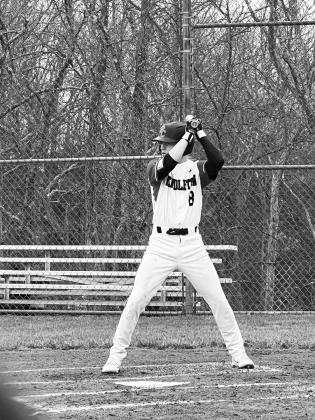
By: Ethan VerstThe Wildcats baseball team moved to 1-8 on the season as they picked up a huge win in their only game last week against Lewis County. The…
Obituaries
News Staff
Geneva K. Hutchison, 83, of Falmouth, KY passed away on Wednesday, April 17, 2024, at St. Elizabeth Hospital in Edgewood. She was born in Falmouth on…
News Staff
Laura Brayden Townsend, 77, of Crestview Hills, KY, passed away on Sunday, April 14, 2024, at her home, after multiple courageous battles with cancer.Born on…
News Staff
Laura Brayden Townsend, 77, of Crestview Hills, KY, passed away on Sunday, April 14, 2024, at her home. Funeral arrangements are pending with Woodhead…